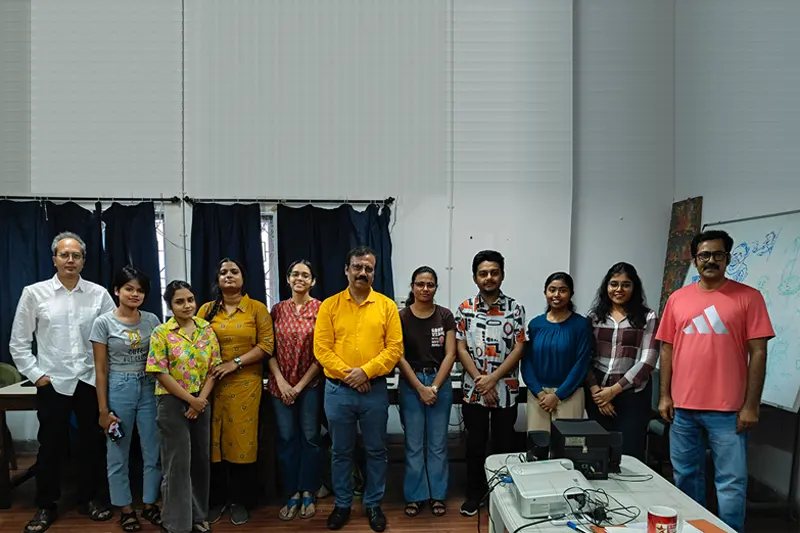
Welcome to Roopkala Kendro
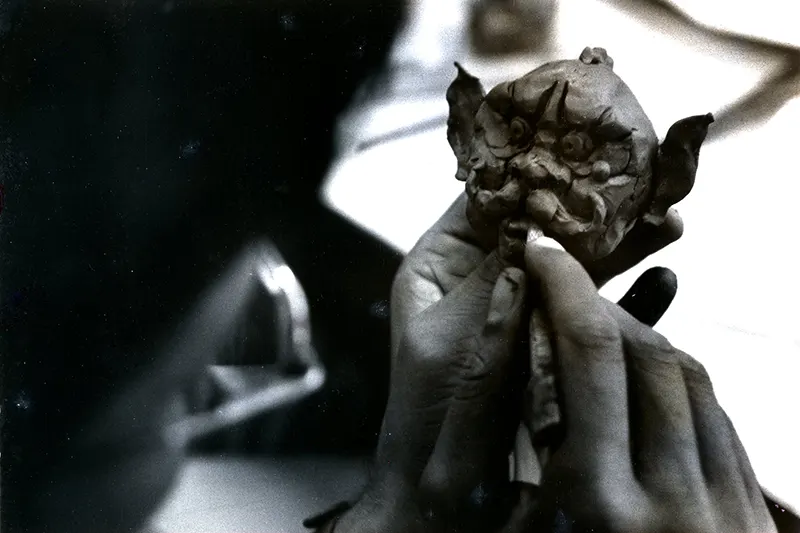
The objective of the Animation Creation and Direction course is not only to make the student a skilled Animator but also to introduce to them all aspects of animation filmmaking. At Roopkala Kendro the students learn the basics of Animation filmmaking, from pre-production to post-production. Apart from 2D Classical and 3D Digital Animation, students get the opportunity to explore other experimental forms of Animation like cut-out, clay etc.
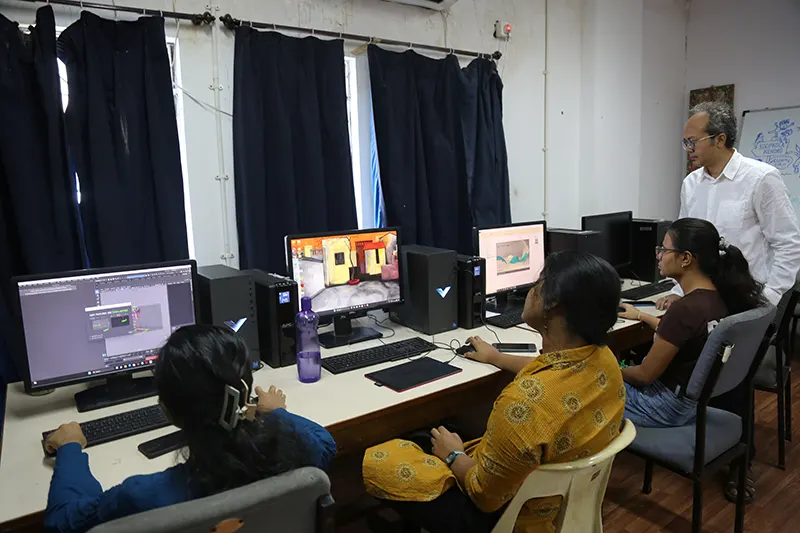
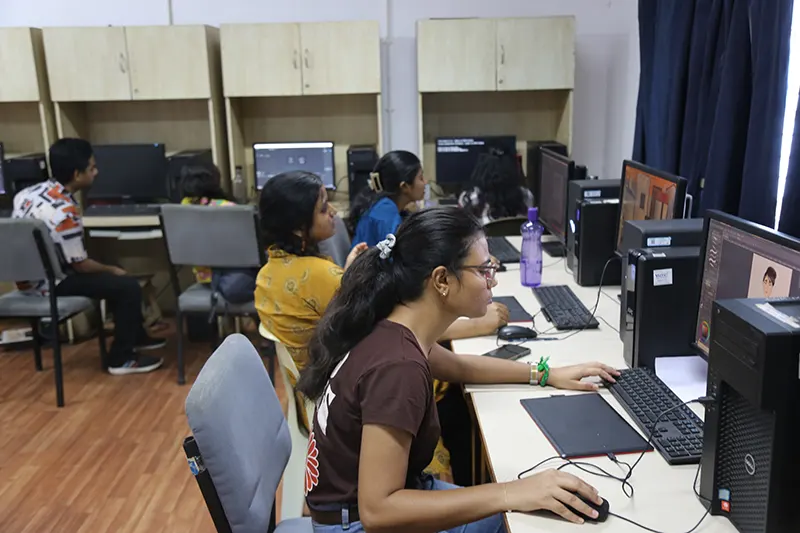
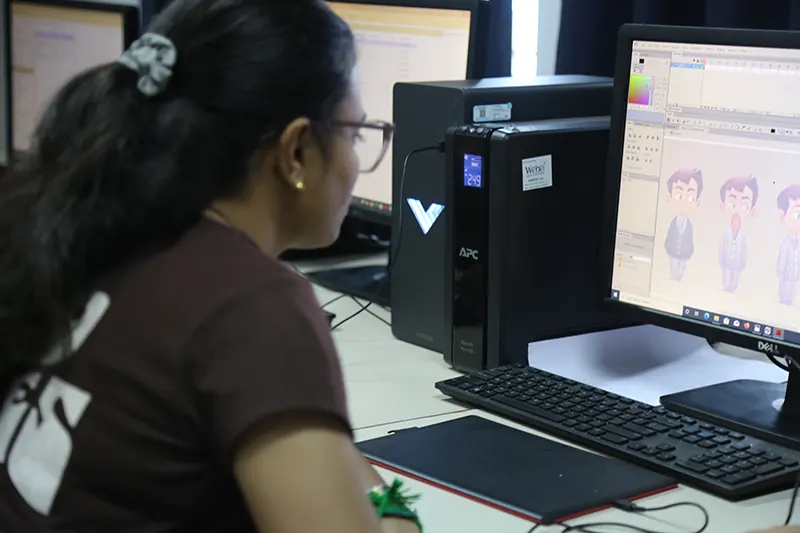
This two-year academic programme is designed to introduce students to the concepts of 2D Classical Animation. In this phase the students learn Character Design, Shot division, Storyboard making, Principles of Animation etc. The 3D Animation part is designed to introduce students to the concepts of 3D computer-based modelling and animation utilising the high-end computer workstations. The emphasis of the programme is on learning the software tools for problem solving and creating finished portfolio projects using animation software. Another aspect of the course is to explore the software tools used to create visual effects and issues involved in combining these effects with live-action footage. We also encourage the students to create experimental cut-out and clay animation films using their own designs. Our diploma Animation film focuses primarily on animating characters for film and television production. Software taught in this course include Maya/Blender, After Effects, Photoshop, Premiere Pro, Adobe Animate etc. Students are also introduced to Blue screen filming and lighting techniques.
Guest Faculties include:
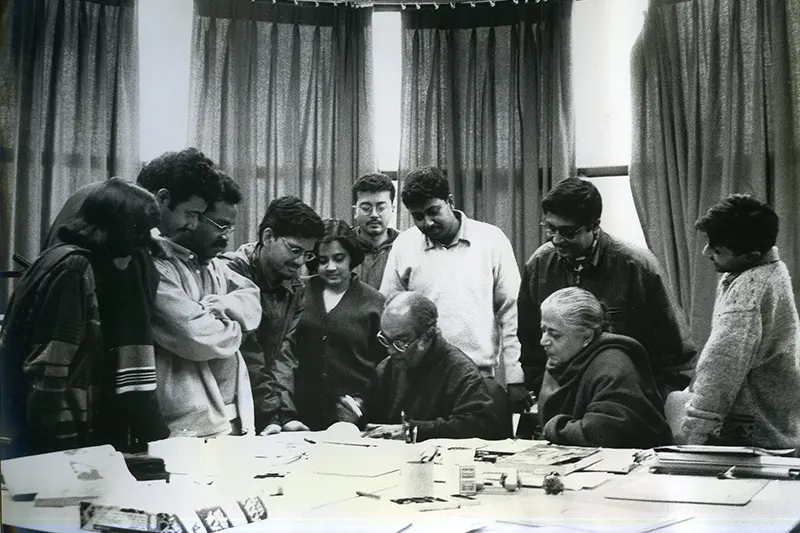
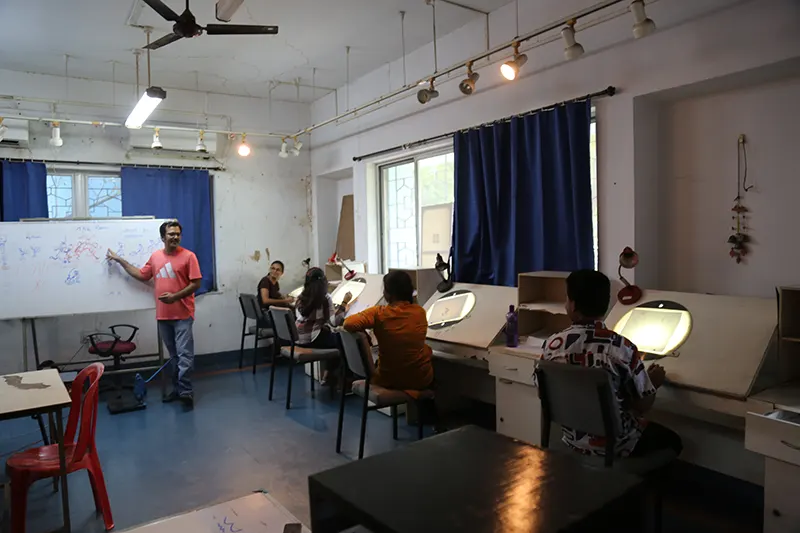
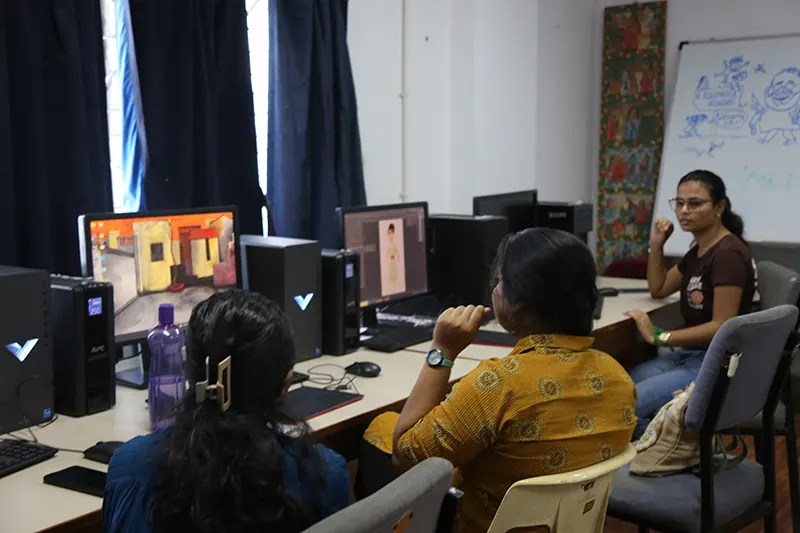
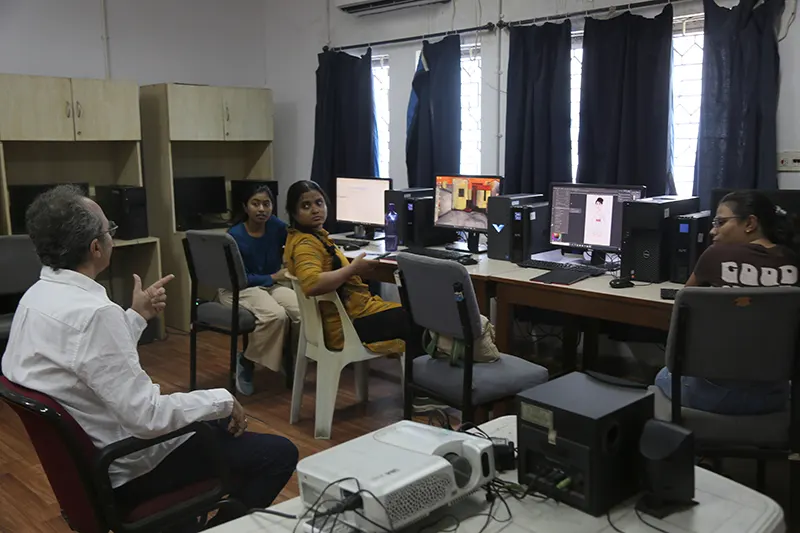
Animation Class with Samir Sarkar
An animation course, is not just a place to learn software—it is a vibrant creative ecosystem where art meets technology, and where students are molded into versatile professionals ready to shape the future of visual storytelling.
To Foster Creative Expression:
To Impart Technical Proficiency:
To Provide Industry-Relevant Education:
To Encourage Collaborative Work:
To Build Strong Storytelling and Narrative Skills:
To Develop Critical and Analytical Thinking:
2 Years Divided into 4 Semesters.
13
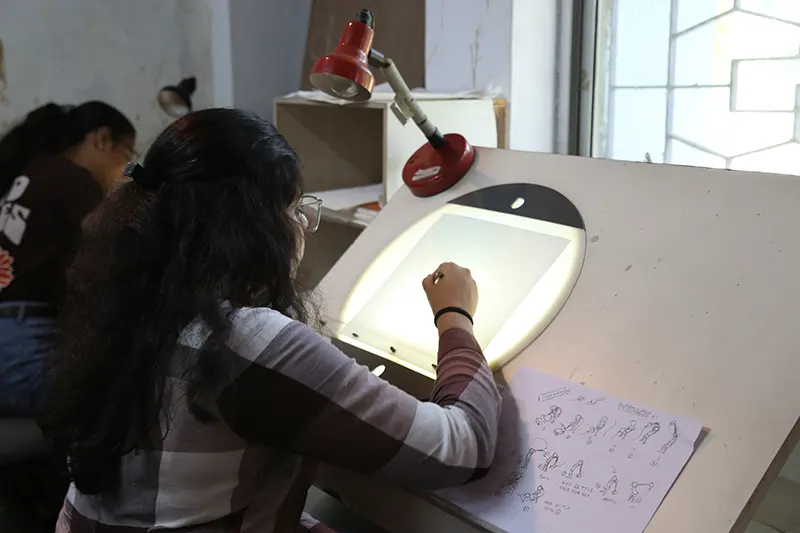
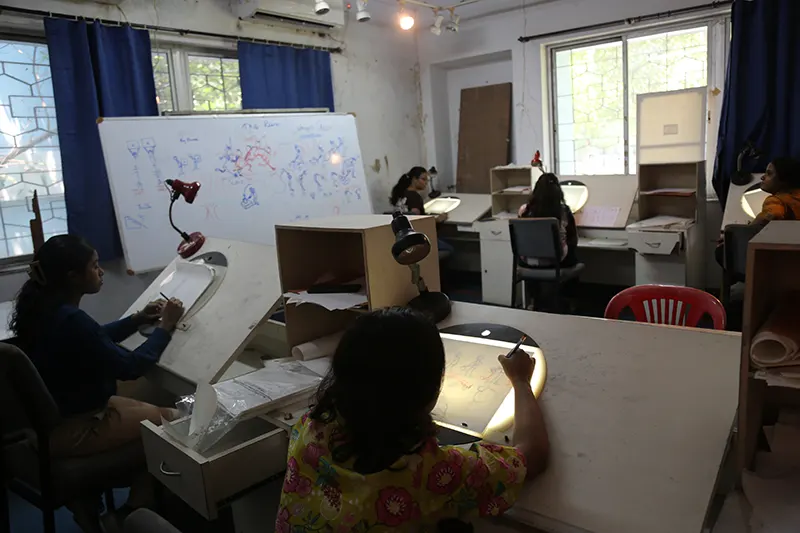
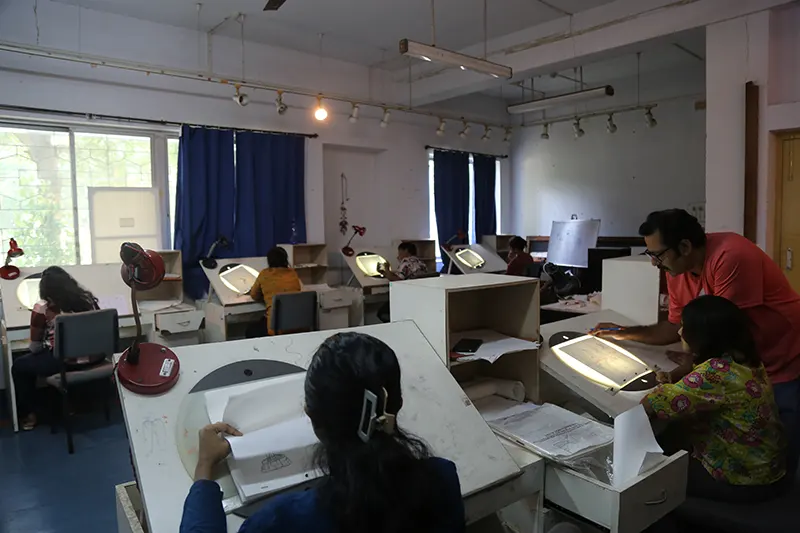
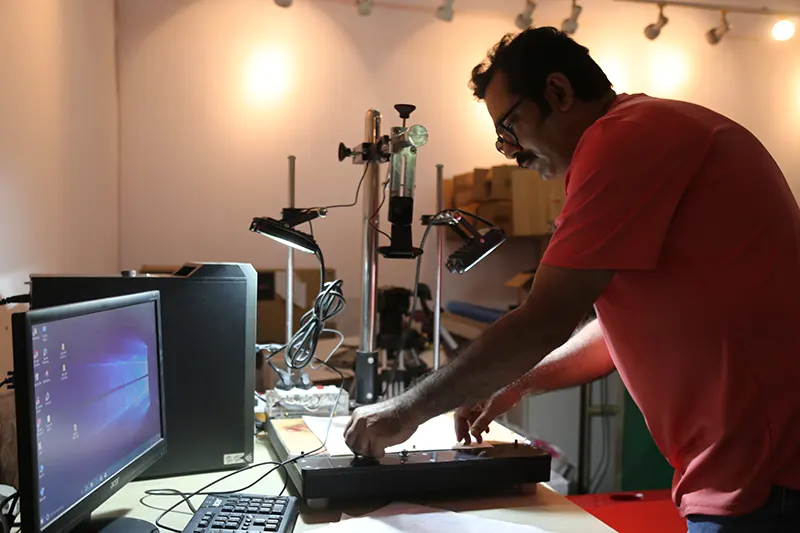
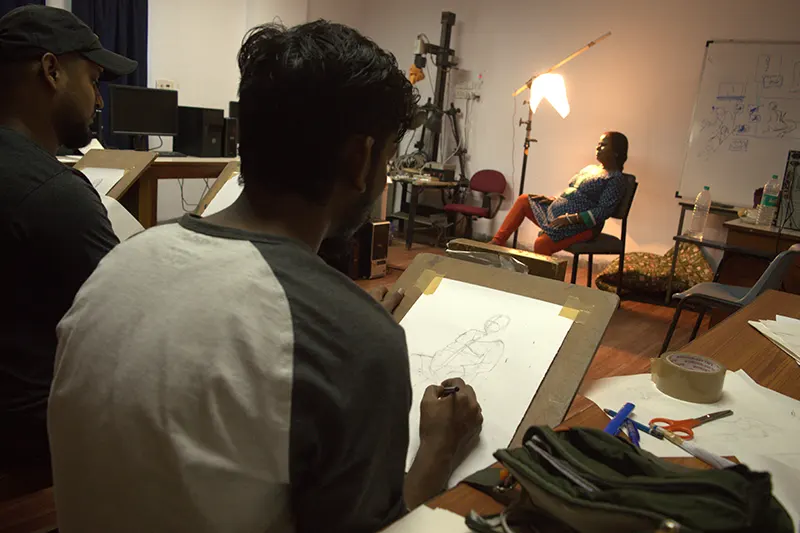
The animation department is equipped with a comprehensive range of facilities designed to support every stage of the animation process. The Drawing and Pre-Production Studios are furnished with light boxes, easels, and a variety of sketching materials, providing ample space for life drawing, character design, and storyboard development. A dedicated traditional art studio allows students to strengthen their foundational skills through hands-on practice using classical techniques. The institute also houses labs for both 2D and 3D animation. Stop-motion animation facilities are also available. A reference library offers a collection of anatomy books, animation art books, comics, and design guides to inspire and inform students. Additionally, the film screening room serves as a space for viewing animation classics, student work, and film analysis sessions, enhancing visual literacy and storytelling techniques. For post-production, the editing and compositing facilities for video editing and visual effects, enabling students to refine and finalize their projects to industry standards.
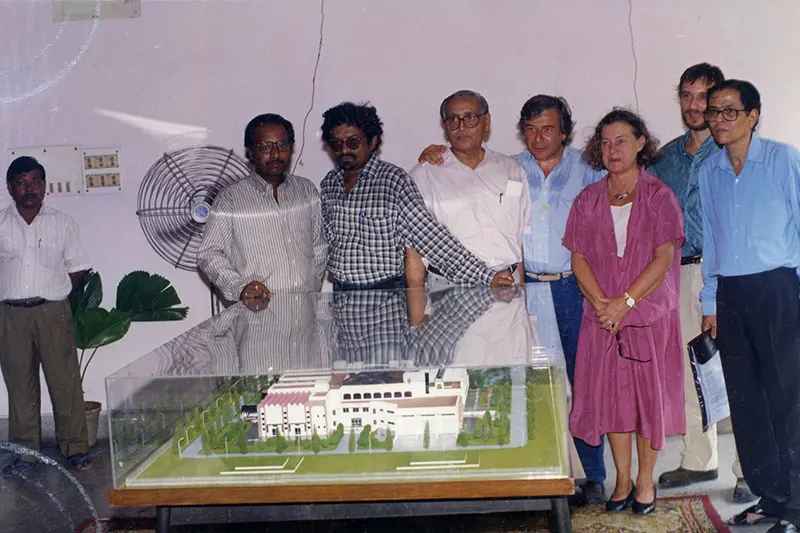
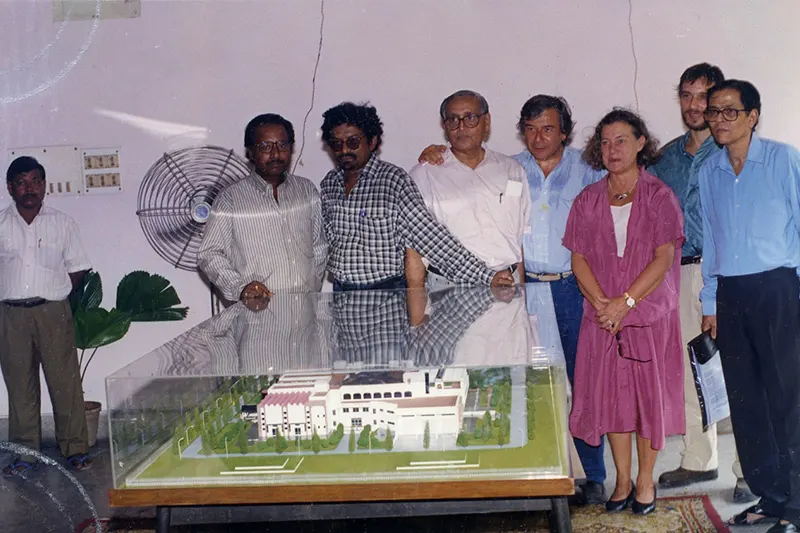
Gautam Ghose with Sergio